Hands That Shape Water and Stone

Today we journey through artisanal craftsmanship from Alpine workshops to Adriatic boatyards, listening to makers who shape pine and oak, metal and canvas, with patience earned over winters and tides. Expect stories, practical wisdom, and invitations to meet, support, and celebrate living skill. Share your questions, tell us who inspired you, and help keep these crafts breathing by engaging, subscribing, and returning to hear more voices from the mountains and the sea.

Snow, Stone, and Seasoned Wood

Mountain workshops breathe with the tempo of seasons. Timber felled in deep winter dries in lofts where wind sneaks through shingles, and benches are braced against stone so chisels bite predictably. Makers learn to respect knots like old neighbors: with patience, boundaries, and a wink. The result is sturdiness without heaviness, a poetry written in grain orientation and quiet restraint. When you hold such work, you feel hillside paths, cowbells, and the hush after snowfall pressed into every curve.

Salt, Wind, and Tidal Patience

Along the Adriatic, craft means listening to water’s opinions. Builders shape planks so seagulls land without complaint and fishermen smile at the wake. Pitch warms in small pots until it flows like a promise, sealing seams that must breathe yet never leak. There is a choreography to launching day: ropes coil willingly, mates nod once, and the hull slides as if remembering an old dance. By evening, sawdust smells of seaweed, and tools rest with salt-dusted satisfaction.

A Journeyman’s Route South

Imagine a young carver leaving a village where roofs graze the clouds, pockets heavy with tiny gouges, heart heavier with ambition. He descends switchbacks, trades a spoon for a ride, and reaches a yard where mallets strike oak like soft thunder. He learns to read curves he never saw in barns, hears how a keel forgives small mistakes and how the sea punishes larger ones. His hands find fluency between dialects of wood, and he writes home tasting brine.

Timber, Bronze, Sailcloth: Materials That Remember

Alpine Spruce, Larch, and the Secrets of Slow Growth

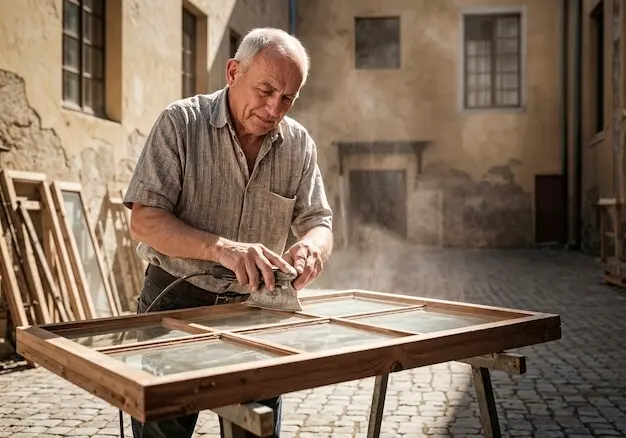
High-elevation trees teach humility. Tight rings lend predictability, but they demand sharp edges and lighter cuts. Spruce can sing under a plane if approached along the right line, while larch answers swelling with resinous resilience. Makers study hillside patterns before felling, grateful for cold that disciplines fiber and limits pests. Boards are stacked with small rituals—stickers aligned, weights placed, air spaces measured like prayer. Later, joinery respects that memory, matching early and latewood like lifelong friends in conversation.

Oak Keels, Elm Planking, and Pine-Tar Medicine

In coastal yards, oak is both adversary and ally. Its tannins bite tools and reward courage with steadfast strength. Elm bends with a stubborn kindness, listening to steam and persuasion. When the caulking irons whisper, threads of oakum combed from hemp find their way home between planks, blessed with warm pine tar that smells like old stories. Each ingredient carries maintenance instructions whispered through generations: scrape gently, repaint before the heat, and watch the waterline for truth, not for panic.

Threads, Ropes, and Leather That Bridge Two Worlds

Whether binding sled runners or lashing a mast, fiber solves elegant problems. Hemp and flax hold knots that release politely after storms; cotton softens after a season, like a handshake remembered kindly. Leather pads creaking blocks where metal would bruise, and waxed thread becomes a guardian where glue fails with age. These choices favor repairability and grace, privileging future hands over fleeting convenience. When a splice outlives fashion, it becomes a mentor, teaching anyone who studies its neat humility.

The Music of Tools

A shop’s soundtrack reveals its values. The violin hum of a well-set plane, the heartbeat thud of a caulking mallet, and the quiet skritch of a marking knife together form a language of respect and feedback. Tools extend the senses, translating feedback from fiber and torque into choices shaped by experience. Makers learn to hear trouble before it shows, tuning effort like musicians. Well-kept edges and balanced hammers aren’t nostalgia; they are governance, safety, and the difference between repair and regret.

Forms Drawn by Landscape

Design reveals negotiations with place. Steep valleys teach compact strength and sly storage; coastal shallows demand shallow drafts and generous sheer that sheds chop. Proportions echo usage: carrying hay, crossing a narrow pass, or beating to windward with a week’s catch aboard. Makers test ideas with scrap and sketches, then invite weather to critique. Beauty arrives as a side effect of solving for durability, repair, and human rhythm. When a silhouette calms the eye, function has usually found its truth.

Rooflines, Cradles, and Cribbing

Mountain forms favor protection and balance. Overhanging eaves shield joinery from meltwater; sled cradles distribute weight so oxen and gravity collaborate safely. Cribbing systems, taught by grandparents with twigs on a table, let heavy timbers rest obediently while chisels negotiate mortises. Even household pieces remember terrain: stools with three legs forgiving uneven floors, cabinets that breathe through backboards. None of it is decorative first; durability writes the rules, and elegance arrives later, modestly, when everything simply works and keeps working.

Sheerlines, Rakes, and the Language of Sails

On the coast, curves meet currents. The sheerline sets a boat’s mood and manners, asking waves to part kindly. Stem rake balances tracking with agility in tight harbors. A mast’s placement listens to history and hometown wind. Traditional rigs carry dialects—lateen triangles whisper one philosophy, lug sails another—each solved by local fishing grounds and launch ramps. When canvas bellies just right and telltales smile, the builder’s geometry nods to the sailor’s intuition, and water writes its quiet approval in ripples.

Proportion, Balance, and the Golden Hunch

Sketchbooks show rulers, but final decisions often rest on a maker’s neck hairs. Proportion rides an undercurrent of experience: how far a beam can span before creak becomes complaint, how heavy a transom feels when lifted alone, how much flare saves a day in chop. Some call it the golden ratio; others trust a golden hunch trained by repairs. If it looks right and lifts right, it likely lives right. Wisdom accumulates where measurements and instincts repeatedly shake hands.


Tradition in Motion, Not in Amber

Keeping craft alive means letting it breathe. Honest innovation respects repairability, local materials, and human speed. A jig that saves fingers is welcome; a shortcut that mortgages the future is not. Communities revive skills with open days, shared sheds, and festivals where boats parade like grandparents dancing. Forest plans account for slow growth and storm surprises, while schools invite hands to learn by failing safely. Progress is welcomed when it strengthens what lasts: patience, stewardship, and pride that doesn’t fear questions.

Journeys, Masters, and Small Miracles

Craft lives in names, glances, and unsent letters. One master learns patience from winter goats; another learns humility from a slipped adze that spares a toe. Miracles arrive disguised as spare parts found just in time, or as storms delayed by ten good minutes. We gather these stories to honor the fragile chain that connects jokes at dawn to finished work at dusk. Share your own, because a tale told well can sharpen a chisel across oceans and years.

A Carver in Val Gardena Whittles a Memory

She learned on offcuts her father called blessings. One afternoon, a tourist asked for a bird that felt like winter without looking cold. She carved a jay from larch, sanded its crown until light pooled, and rubbed resin where feathers would part snow. Years later, a letter arrived from a kitchen across the sea: the bird had outlasted a divorce and a move, singing on a windowsill. The carver smiled, sharpened, and began another small, brave song in wood.

A Boatbuilder in Betina Finds an Heirloom Keel

He recognized the curve before the name. A family arrived with photographs and a story about a grandfather who taught silence by example. The old keel lay beneath nets, its rabbet scarred but honest. They cleaned it gently, steamed new frames to kiss old lines, and let pine tar remember what glue had forgotten. Launch day brought three generations and a borrowed accordion. As the boat took water then steadied, the builder heard the sweetest compliment: a grandmother’s relieved laugh becoming wind.

A Commission that Binds Summit to Shore

A chef asked for a serving board shaped like a coastline, made from a tree that once saw snow. The maker chose spruce for story, larch for edge strength, and inlaid a thin bronze line that followed a favorite sailing route. Delivery day tasted of cheese and anchovies. The chef ran fingertips along metal that warmed with touch, then promised to slice gently. Months later, photos arrived of meals shared by strangers turned friends. Craft traveled farther than any one of them had planned.

How You Can Help the Next Pair of Hands

Your attention is currency, and your participation is legacy. Visit, ask questions kindly, and pay on time. Commission pieces that will age with you, not compete with trends. Donate offcuts to school programs, share articles with curiosity, and bring children where shavings fly. Subscribe to stories that honor process, not shortcuts. When you sign your name under a maker’s—on a receipt, a hull plank, or a note—you help stitch another stitch in a long, generous fabric of care.
Workshops and yards are classrooms if you walk softly. Ask before touching, admire without interrupting rhythm, and listen for the difference between busy and welcoming. If you buy, pay promptly and praise publicly. If you only visit, leave a review that mentions details—the smell of resin, the laugh that lightened a hard moment, the kindness shown to a student. That gratitude circulates, opening doors for others, and reminding makers that their quiet labor is understood, respected, and beautifully needed.
Start with needs, not novelty. Describe how you’ll use the piece, where it will live, and who will inherit it. Agree on maintenance schedules like you’d agree on anniversary plans. Learn to oil, re-caulk, or reseat a peg before panic calls. Makers love clients who become caretakers, because stewardship is the longest compliment. When a commission survives moves, storms, and fashions, it graduates into family history, carrying both names—yours and the hand that shaped it—without fuss, only with steady, grateful service.
Piralivozoridexo
Privacy Overview

This website uses cookies so that we can provide you with the best user experience possible. Cookie information is stored in your browser and performs functions such as recognising you when you return to our website and helping our team to understand which sections of the website you find most interesting and useful.